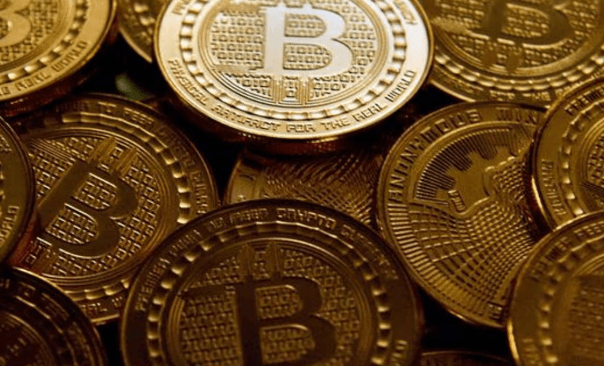
Crypto projects raise funds through three main routes: ICOs, IDOs, and IEOs. Each model aims to mobilize capital, yet they differ in structure, oversight, and risk. ICOs promise wide access and transparent tokenomics; IDOs emphasize on-chain issuance and rapid liquidity; IEOs rely on exchange vetting and custody controls. The landscape invites scrutiny of governance, compliance, and due diligence. For investors, the question is not just potential returns, but credibility and safeguards that hold up under scrutiny.
What ICOs, IDOs, and IEOs Are and How They Differ
Initial coin offerings (ICOs), initial dex offerings (IDOs), and initial exchange offerings (IEOs) are methods by which blockchain projects raise capital, but they differ in structure, participants, and oversight.
ICO s emphasize broader fundraising, IDOs prioritize decentralized, liquidity-driven launches, and IEOs rely on exchange vetting. ICO and IDO differences emerge from custody and venue controls; IEO contrasts focus on exchange-backed credibility and regulatory alignment.
How Each Fundraising Model Works From Start to Finish
The process for each fundraising model unfolds in distinct phases, from concept validation to post-sale compliance, yet all share a core sequence: project preparation, token issuance, fundraising, and post-launch liquidity or token distribution. Funding mechanics shape choice; Governance tokens influence control. Token distribution models vary, but Regulatory compliance remains a gatekeeper, demanding transparency, audits, and ongoing reporting to sustain credibility and freedom within a cautious market.
Who Bets on These Rounds and What They Look For
Investors in crypto fundraising rounds span professional funds, family offices, and high-net-worth individuals, alongside sophisticated retail participants who conduct due diligence before allocating capital.
Their bets reflect venture dynamics and investor psychology: selective appetite for teams with traction, credible disclosures, and clear tokenomics; caution toward hype; and a preference for transparent milestone risk.
Allocation hinges on perceived alignment with long-term value creation, not momentary momentum.
Pros, Cons, and Practical Safeguards for Investors
Raising funds through ICOs, IDOs, and IEOs presents a mix of opportunities and pitfalls for participants. Investors weigh benefits against risks, seeking practical safeguards: diversify exposure, verify project credibility, and beware biased incentives. Due diligence remains crucial, including transparent tokenomics models, governance rights, and vesting schedules. Skepticism helps illuminate red flags, while freedom-minded participants insist on clear, verifiable terms and exit options.
See also: Space Technology Benefits on Earth
Conclusion
In summary, ICOs, IDOs, and IEOs each offer distinct routes to crypto fundraising, balancing speed, trust, and liquidity with varying degrees of risk and oversight. Skepticism remains warranted: promising tech can outpace governance, and liquidity can vanish with missteps. Investors should demand transparent tokenomics, vesting schedules, audit reports, and regulatory clarity. Like navigating a crowded bazaar, due diligence matters more than hype, turning speculative hope into measured, informed exposure. A cautious, informed approach is the most reliable compass.