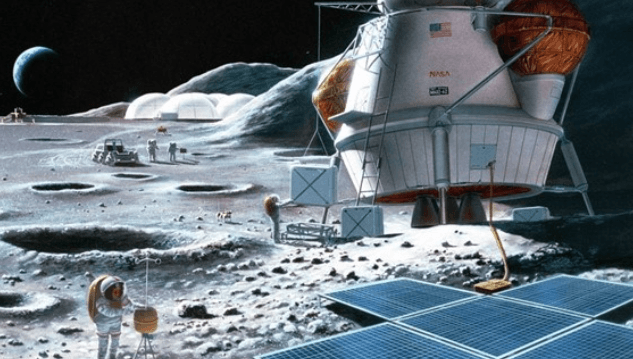
The next frontier demands resilient, modular space systems spanning propulsion, sensing, and debris management. In-space manufacturing and autonomous AI underpin sustainable exploration, while cost-efficient production accelerates capability deployment. Breakthroughs must translate concepts into verifiable capabilities, enabling orbital industries and new value streams. Collaboration, interoperable standards, and adaptive risk governance shape a resilient, transparent path forward. A future of autonomous ecosystems and predictable markets awaits those who balance innovation with safety, inviting a closer look at what comes next.
What the Next Frontier Demands From Space Tech
Space exploration stands at a pivotal juncture where ambitions must align with capabilities and risk tolerances. The next frontier demands robust systems: Next gen propulsion, quantum sensing, space debris mitigation, in space manufacturing, AI autonomy, planetary defense, climate monitoring, methane detection. Evaluations emphasize modular architectures, resilient autonomy, and cost-efficient production to enable sustainable exploration, rapid iteration, and freedom-centered progress across distant domains.
Breakthroughs That Turn Dreams Into Practice
Breakthroughs that turn dreams into practice are measured by the translation of concept into verifiable capability. An analytical lens traces how research converts hypotheses into repeatable results, enabling resilient systems and scalable operations. Dream telemetry provides real-time insight into autonomous decision-making, while orbital manufacturing demonstrates on-orbit fabrication and assembly. Together, they architect a future where space-enabled industries expand with disciplined, verifiable momentum.
Building a New Space Economy: From Robots to Markets
The emergence of a viable space economy hinges on translating autonomous capabilities and on-orbit ecosystems into scalable markets, where robotic systems, data services, and in-space manufacturing converge to create predictable value streams.
In this frame, robotics finance and markets governance shape investment signals, risk allocation, and fiduciary clarity, enabling resilient market structures, transparent pricing, and scalable collaborations that sustain a dynamic, freedom-oriented economic trajectory beyond Earth.
Collaboration, Risks, and the Path Forward
Collaboration across agencies, industry, and international partners is essential to align incentives, share risk, and accelerate delivery of functional space capabilities.
In this landscape, cooperation incentives shape participation, while risk governance structures standardize accountability and transparency.
The path forward hinges on modular architectures, interoperable standards, and adaptive governance that balance innovation with safety, ensuring resilient, scalable capabilities for a freer, more interconnected space economy.
See also: newstwins
Frequently Asked Questions
How Will Space Tech Affect Daily Life on Earth?
Space technology will gradually transform daily life through Space commercialization and Lunar manufacturing, enabling ubiquitous connectivity, resilient supply chains, and novel materials; the analysis anticipates iterative improvements, cost reductions, and regulatory evolution empowering individuals who value freedom and exploration.
What Ethics Govern Space Resource Extraction and Ownership?
Ethics governance and ownership frameworks will shape space resource extraction through international agreements, standardized property rules, and transparent licensing. The analysis anticipates scalable regulatory models, mitigates conflicts, and incentivizes innovative, freedom-oriented exploration while ensuring equitable access and responsible stewardship.
Who Funds Risky Early-Stage Space Ventures, and How?
“Time is money,” notes the analyst: risk funding for early-stage space ventures comes from venture capital, corporate accelerators, and government grants. The method prioritizes space entrepreneurship, with structured milestones, staged investments, and rigorous technical risk assessment.
How Will Space Debris Be Managed Long-Term?
Debris mitigation will rely on proactive satellite design, active debris removal, and international standards; orbital cleanup capabilities evolve with cost-effective, scalable methods. Progress hinges on collaboration, transparent metrics, and incentives that sustain long-term, freedom-loving innovation across stakeholders.
What Jobs Will Future Space Industries Create for Workers?
Could future space industries create diverse roles, including specialized technicians, data analysts, mission planners, and systems engineers, expanding jobs in space and career paths for individuals seeking autonomous, future-oriented work? Analysts project scalable, technically skilled opportunities across exploration, habitation, and commercialization.
Conclusion
The next frontier will hinge on resilient autonomy, modular propulsion, and in-space manufacturing that together reduce risk and cost. Standards-based interoperability and adaptive risk governance will unlock scalable, transparent markets and autonomous ecosystems. A real-world analogue is a hypothetical orbital service hub using automated robotics for satellite servicing and debris capture, governed by verifiable data streams and shared autonomy protocols. This combination bridges concept and capability, accelerating sustainable exploration while enabling new, value-driven space industries.